
ExxonMobil to Decommission French Steam Cracker Amid Market Pressures
- ExxonMobil to permanently close Gravenchon steam cracker (425,000 tonnes/yr ethylene, 290,000 tonnes/yr propylene) after cumulative losses exceeding €500 million since 2018.
- Closure directly affects 677 employees; separations delayed until at least 2025, with full decommissioning and site remediation expected to be completed by year-end.
- CGT warns up to 3,000 indirect jobs at risk; ExxonMobil is concurrently divesting the Fos-sur-Mer refinery and depots to Rhône Energies, transferring about 310 staff.
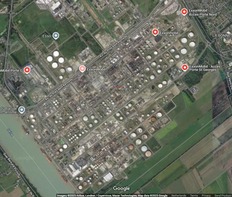
ExxonMobil has announced plans to permanently close its ethylene steam cracker and associated chemical production units at the Gravenchon site in Normandy, citing sustained economic unviability in the European energy and petrochemical market. The shutdown will affect 677 direct employees, with wider implications for subcontracted labour and regional supply chains.
The facility, operated by ExxonMobil’s French subsidiary, has a rated annual capacity of 425,000 tonnes of ethylene and 290,000 tonnes of propylene. Since 2018, it has reportedly generated cumulative losses exceeding €500 million (US$532 million).
In a corporate statement, ExxonMobil outlined multiple structural challenges behind the decision: “The configuration of the steam cracker, its small size relative to modern global units, high operating costs in Europe, and elevated energy prices render the site uncompetitive.”
Market Context: Structural Headwinds
The closure comes amid ongoing overcapacity in the global ethylene market and persistent demand stagnation in Europe. Downward price pressure, fueled by exports from the Middle East and increased domestic production in China, has made it increasingly difficult for older, less efficient assets in Europe to remain profitable.
ExxonMobil’s exit from Gravenchon aligns with broader industry retrenchment. Shell and BP have also announced asset scale-backs in the region, with BP planning to shutter its Gelsenkirchen refinery in Germany in response to similar competitiveness and cost issues.
Labour Implications and Trade Union Response
France’s General Confederation of Labour (CGT) has issued a call to action, urging ExxonMobil workers to initiate strike measures in opposition to the shutdown. CGT claims the closure could impact up to 3,000 additional indirect jobs across contractor networks and local industries.
In response, ExxonMobil confirmed it is engaging with local works councils and will delay any separations until at least 2025. The company says it is committed to “actively supporting employees through job transition measures,” though specific details remain pending.
Strategic Divestments Continue
In a parallel move, ExxonMobil has confirmed its intent to divest its Fos-sur-Mer refinery and associated distribution depots in southern France. The assets are set to transfer to Rhône Energies, with approximately 310 employees included in the transaction.
Next Steps
The closure of the Gravenchon cracker remains subject to regulatory approval. ExxonMobil has stated it intends to fully decommission and remediate the site following shutdown activities, with completion anticipated by the end of the year.