
ORLEN launches Baltic Energy Initiative with 13 regional partners
- Fourteen organisations from Poland, Finland, Sweden, Denmark, Germany, Lithuania, Latvia, Estonia and Norway signed the agreement.
- Signatories include Eesti Energia, Enefit, Fortum, KN Energies, DNV Energy Systems, Topsoe, Siemens Energy, Adven, Steady Energy, P2X Solutions, Latvenergo, Gasgrid Finland and Orsted alongside ORLEN.
- Priority areas are offshore wind, LNG and bioLNG market integration, a regional hydrogen market, carbon transport and storage (CCS), and small modular reactors (SMRs).
- Partners will pursue cross-border projects, seek EU and international funding, and cooperate on critical infrastructure protection, cyber security and emergency preparedness.
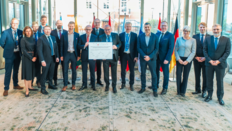
Initiative and membership
ORLEN and 13 energy companies and organisations from Northern and Central Europe have established the Baltic Energy Initiative to strengthen energy security and competitiveness in the Baltic Sea region.
Priorities and planned projects
The partners will collaborate on offshore wind, closer integration of the LNG and bioLNG markets, creation of a regional hydrogen market, carbon transport and storage (CCS), and development of small modular reactors (SMRs). The initiative is intended as a platform for pooling expertise, sharing experience and developing projects with international reach.
Partnership aims and funding
Signatories will work together to access European Union programmes and other international funding, facilitate cross-border projects, share knowledge and develop recommendations on regulations and support mechanisms relevant to the region's energy transition.
Infrastructure resilience and policy voice
Protecting energy infrastructure is a stated focus: participants will share experience on critical infrastructure protection, cyber security, emergency preparedness and responses to physical and hybrid threats, and jointly assess projects and financing to enhance resilience. The group also aims to present common positions to European institutions to better communicate regional needs and unlock the Baltic Sea region's energy potential.
Source: ORLEN