
Repsol pauses 3 Green Hydrogen Projects in Cartagena, Tarrogona and Basque Country Amid Regulatory Uncertainty in Spain
- Repsol suspends 350 MW green hydrogen projects in Spain.
- Projects include 100 MW in Cartagena ($217M), 150 MW in Tarragona, 100 MW in Basque Country.
- Spain aims for 12 GW green hydrogen capacity by 2030.
- Windfall tax uncertainty affects €16.5B in energy investments.
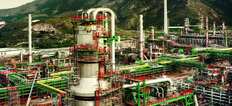
Spanish energy major Repsol S.A. (REP.MC) announced that it has suspended the development of its green hydrogen projects in Spain, totaling an electrolysis capacity of 350 megawatts (MW), due to an uncertain regulatory environment. The decision underscores the complex challenges facing large-scale green hydrogen investments in Spain and may have significant implications for the country’s ambitious green energy targets.
The three green hydrogen projects put on hold include a 100 MW project in Cartagena, valued at $217 million, a 150 MW project in Tarragona, and a 100 MW project in the Basque Country. Repsol, which has been at the forefront of renewable energy investments, has now decided to proceed with its next electrolyzer project in Sines, Portugal.
Green hydrogen, produced using renewable energy, is widely regarded as essential for decarbonizing Europe’s economy. However, due to its cost, green hydrogen production often relies on supportive subsidies and incentives to achieve economic viability. With Spain targeting 12 gigawatts (GW) of green hydrogen production capacity by 2030, Repsol’s decision could impact the national roadmap for hydrogen energy as well as broader EU climate objectives.
The regulatory challenges influencing Repsol’s decision include Spain's windfall tax on energy companies and banks. The potential for this tax to be redesigned and extended has introduced substantial investment uncertainty, with Repsol among other leading energy companies voicing concerns. Last year, a coalition of Spanish oil companies cautioned that an extension of the windfall tax could jeopardize €16.5 billion in planned energy transition investments across Spain.
As Repsol adapts its strategy in response to regulatory dynamics, the company remains committed to advancing sustainable energy solutions. However, it emphasizes the need for a stable regulatory framework to foster continued investment in green hydrogen and other essential transition technologies.