
Repsol Installs Second 100-MW Electrolyzer at Petronor
- The 100 MW electrolyzer at Petronor requires a €292 million investment, with €160 million from NextGenerationEU funds.
- Completion is scheduled for 2029, producing 15,000 tons of renewable hydrogen annually.
- The project will prevent 167,000 tons of CO₂ emissions per year and create 900 jobs.
- A 10 MW electrolyzer at the port of Bilbao will supply a synthetic fuels plant by 2026.
Project Overview
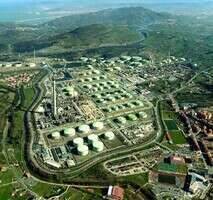
Repsol is advancing its decarbonization strategy by installing a second 100 MW electrolyzer at the Petronor refinery in Muskiz, Northern Spain. This follows the approval of a similar project in Cartagena.
Investment and Funding
The new electrolyzer requires a €292 million investment, with €160 million funded by NextGenerationEU through Spain's Recovery, Transformation, and Resilience Plan. Recognized as an Important Project of Common European Interest (IPCEI), it has government support.
Production and Environmental Impact
Set for completion in 2029, the electrolyzer will produce up to 15,000 tons of renewable hydrogen annually, primarily for use at the Petronor refinery. It will also supply renewable gas to local industries, reducing CO₂ emissions by 167,000 tons per year.
Job Creation and Technological Challenge
The project will generate approximately 900 direct, indirect, and induced jobs. It builds on previous advancements at Petronor, including a 2.5 MW electrolyzer operational since 2023.
Additional Developments
In 2024, construction began on a 10 MW electrolyzer at the port of Bilbao, set to supply a synthetic fuels plant by 2026. Repsol plans another large electrolyzer in Tarragona, with a 150 MW capacity, to support its industrial complex and future Ecoplanta.
Source: Repsol