
Petrobras lowers SAF carbon intensity after ISCC CORSIA recertification at Reduc
- Duque de Caxias Refinery (Reduc) received ISCC CORSIA recertification in the first half of October after audit recognition of improved hydrogen sourcing and governance.
- Including hydrogen from catalytic naphtha reforming reduced the carbon intensity of hydrogen used in SAF production by 29%.
- SAF produced from corn oil (TCO) showed a 23.8% reduction in carbon intensity as a result of the change in hydrogen sourcing assumptions.
- Petrobras is certifying co‑processed SAF at Revap, has implemented production at Regap, is finalising implementation at Replan, and the improvements support meeting international targets whose mandatory phase begins in 2027.
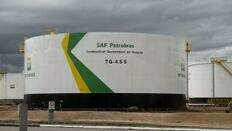
Recertification and process changes
In the first half of October the Duque de Caxias Refinery (Reduc) obtained ISCC CORSIA recertification following an audit that recognised improvements in the management of hydrogen sources and strengthened adherence to the international certification methodology for sustainability, traceability and governance.
Carbon intensity improvements
With the update, hydrogen from catalytic naphtha reforming — a lower carbon intensity source — is now considered in the production balance, reducing the carbon intensity of the hydrogen used by 29%. That change translated into a 23.8% reduction in the carbon intensity of SAF produced from corn oil (TCO), placing Reduc's SAF among the lower‑carbon fuels available on the market.
Production and certification roadmap
The SAF expansion is part of Petrobras' energy transition strategy: co‑processed SAF production is being certified at the Henrique Lage Refinery (Revap), fuel production has been implemented at the Gabriel Passos Refinery (Regap), and final implementation is underway at the Paulínia Refinery (Replan); these units will seek certification to meet growing demand for lower carbon intensity fuels.
The improved SAF product increases competitiveness with airlines and contributes to meeting sector emission reduction targets, whose mandatory phase begins in 2027, and to complying with Brazil's Future Fuel Law guidelines.
Source: Petrobras