
LKAB begins testing at Luleå demonstration plant for rare earths and phosphorus
- Operational testing has commenced at the Luleå demonstration plant to validate extraction of rare earth elements and phosphorus from residual streams.
- The facility follows an SEK 800 million investment; construction began in early 2025 and was completed on schedule and within budget.
- The plant will test recovery of all 17 rare earth elements, produce phosphorus for mineral fertilisers and gypsum as a by‑product, with initial limited‑scale runs to collect data.
- A May 2026 environmental permit was granted for the planned Luleå industrial park; a separate permit for the Gällivare apatite plant was granted in June but has been appealed, and future investments depend on these permits.
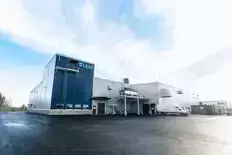
Start of operations
Operational hot commissioning has begun at LKAB’s demonstration plant in Luleå to validate the process for extracting rare earth elements (REEs) and phosphorus from residual streams generated by iron‑ore production.
Project scope and technical aims
The demo facility is the first in Europe to test technology to extract both phosphorus and all 17 REEs from LKAB’s residuals. It will also produce gypsum as a by‑product and act as an R&D centre to collect data, optimise processes and build expertise ahead of scale‑up.
Timeline and investment
Construction started in early 2025 after an investment decision of about SEK 800 million and was completed on schedule and within budget. The current phase is gradual process testing under actual operating conditions, with a planned transition to regular operations during the spring.
Regulatory status and next steps
The Land and Environment Court granted an environmental permit for the planned full‑scale industrial park in Luleå in May 2026. A permit linked to continued operations and the planned apatite plant in Gällivare was granted by the court in June but has since been appealed; future investment decisions depend on these permits.
Strategic context
The initiative aims to improve resource utilisation by turning mining residuals into phosphorus (used for mineral fertilisers) and REEs (used in magnets for EV motors and wind turbines), addressing Europe’s high import dependency for these critical raw materials.
Source: LKAB