
thyssenkrupp Steel opens hydrogen tender for Duisburg direct reduction plant
- The first procurement tranche is expected to cover 20,000–40,000 tonnes of hydrogen per year.
- Deliveries are planned to start in 2031; suppliers can register until December 17, 2026.
- The direct reduction plant is designed to produce 2.5 million tonnes of DRI annually.
- Full hydrogen operation could avoid about 3.5 million tonnes of CO₂ emissions per year versus blast furnace production.
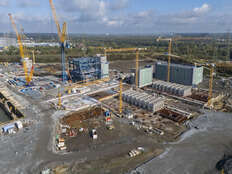
Hydrogen procurement
thyssenkrupp Steel has launched a tender to supply its Duisburg direct reduction plant. The first tranche is expected to cover 20,000–40,000 tonnes of hydrogen per year, with deliveries starting in 2031. The awarded volume will depend on bids and their commercial terms. Suppliers can register until December 17, 2026, before the bidding phase begins.
Phased introduction
The plant will initially use natural gas during ramp-up, reducing CO₂ emissions by more than 50% even at this stage. From 2031, hydrogen will gradually replace some natural gas, with full hydrogen operation planned later. This phased approach follows European Commission state aid requirements and the current grant approval from the German federal government and North Rhine-Westphalia.
Plant capacity and emissions
The direct reduction plant is designed to produce 2.5 million tonnes of direct reduced iron annually. Two downstream smelters have a combined capacity of 2.3 million tonnes of hot metal per year. At full hydrogen operation, the facility could avoid approximately 3.5 million tonnes of CO₂ emissions annually compared with blast furnace production.
Source: thyssenkrupp