
thyssenkrupp Steel reaffirms strategy and sets medium-term targets
- Medium-term targets: at least €1.2 billion adjusted EBITDA, an adjusted EBITDA margin ≥11%, and positive free cash flow.
- Self-help measures expected to deliver >€800 million EBITDA improvement, with more than half contractually agreed or being implemented.
- More than €1 billion invested in modernising the production network; direct reduction plant in Duisburg advancing low‑carbon production.
- About 4,000 of ~11,000 planned workforce reductions completed; separation from HKM completed in summer 2026.
Strategic foundation
thyssenkrupp Steel highlights a premium product portfolio (nearly two‑thirds high‑value grades), Europe’s largest integrated steel production site, and a production network positioned close to customers. The company says investments of more than €1 billion have modernised its plants and that a direct reduction plant in Duisburg is advancing the shift to low‑carbon steel.
Market context
End‑market demand is broadly stable and trade protection measures introduced in July 2026 now cover over 80% of the European flat steel market through quotas and tariffs, which management says supports price stability and competitiveness for premium producers.
Restructuring progress and targets
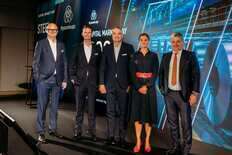
The company reports key milestones: a collective restructuring agreement concluded at the end of 2025, the HKM separation completed in summer 2026, and roughly 4,000 of ~11,000 planned headcount reductions implemented. At Capital Market Day it set medium‑term ambitions of at least €1.2 billion adjusted EBITDA, an adjusted EBITDA margin of at least 11% and positive free cash flow.
Value levers and timing
thyssenkrupp Steel expects the majority of earnings improvement to come from self‑help measures with an overall EBITDA contribution above €800 million; more than half of these measures are contractually agreed or already being implemented.
Source: thyssenkrupp Steel Europe