
thyssenkrupp Steel: definitive revised funding decision for tkH2Steel
- The European Commission confirmed the revised funding requirements comply with EU state aid law.
- thyssenkrupp Steel will launch a new hydrogen tender shortly to secure long-term supply for the direct reduction plant.
- The direct reduction plant is 100% hydrogen-capable and designed for 2.5 million metric tons of directly reduced iron per year.
- The plant could reduce CO2 emissions by up to 3.5 million metric tons annually and can operate on natural gas, hydrogen, or a blend.
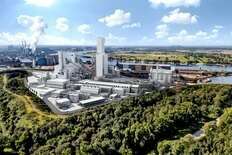
Revised funding decision
thyssenkrupp Steel received a definitive revision notice for funding of the tkH2Steel project, with the European Commission confirming the changes are consistent with EU state aid law. The revision reflects application of existing rules to materially changed economic conditions and provides planning certainty for continued construction.
Market drivers for the revision
The funding requirements were adjusted because hydrogen market development—generation capacity, transmission, and import pathways—has lagged earlier expectations and green hydrogen remains significantly more expensive. The revisions allow the project to align hydrogen ramp-up with availability, economic feasibility, and customer demand.
Next steps: hydrogen tender
A new hydrogen tender is being prepared and is scheduled to begin shortly; it will incorporate insights from the first procurement round on prices, quantities, and supply chains and aims to secure long-term supply for the plant's operational phase.
Plant capability and impact
The project integrates a 100% hydrogen-capable direct reduction plant with two melters and a 2.5 million metric ton annual DRI capacity, able to run on natural gas, hydrogen, or a mixture. Direct reduction alone can cut CO2 by over 50% versus coal-based blast furnaces and the plant could reduce up to 3.5 million metric tons of CO2 per year while supporting skilled jobs in Duisburg.
Source: thyssenkrupp Steel Europe