
BASF Introduces Basotect® Dark EcoBalanced: First Dark Melamine Foam for Acoustic Design
- Basotect® Dark EcoBalanced will be showcased at Foam Expo, BASF booth 726, Messe Stuttgart, Germany, November 11-13, 2025.
- The foam combines Basotect® B EcoBalanced's properties with a dark color for modern acoustic applications.
- It features a reduced Product Carbon Footprint (PCF) and uses renewable feedstock via a biomass balance approach.
- The product is a drop-in solution requiring no new machinery or re-qualification.
Introduction
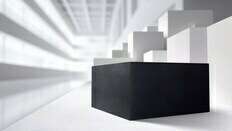
BASF has expanded its Basotect® portfolio with the introduction of Basotect® Dark EcoBalanced, the first dark version of its melamine resin foam. This innovation combines the acoustic and safety properties of Basotect® B EcoBalanced with a modern dark color.
Applications and Benefits
Designed for sound absorption in building and construction, the dark foam enhances the visual appeal of acoustic panels, wall and ceiling absorbers, and HVAC components. It simplifies installation by being less susceptible to visible dirt, eliminating the need for additional coverage or dyeing.
Technical Features
Basotect® Dark EcoBalanced retains the high-performance features of its predecessor, including excellent sound absorption, low weight, high flexibility, and outstanding flame resistance without additional flame retardants. It maintains constant physical properties over a wide temperature range and offers good thermal insulation.
Sustainability
Part of the EcoBalanced product family, the foam supports sustainable design with a significantly reduced Product Carbon Footprint (PCF). It is produced using 100% green electricity, with fossil raw materials replaced by renewable feedstock from biowaste, attributed via a mass balance approach.
Market Availability
The product will be showcased at Foam Expo, BASF booth 726, Messe Stuttgart, Germany, from November 11 to 13, 2025. It is a drop-in solution for manufacturers, requiring no extra investment in new machinery or re-qualification of applications.
Source: BASF