
BASF launches Butyl and 2‑Ethylhexyl Acrylate RE with Avery Dennison
- 2026-03-31: BASF launched Butyl acrylate RE and 2‑Ethylhexyl acrylate RE.
- Both are produced at BASF's Freeport, Texas site and are drop‑in equivalents for polymer dispersions used in coatings and adhesives.
- Renewable electricity from Texas wind and solar was attributed to replace 100% of the Freeport site's prior‑year electricity consumption for these RE products under BASF's SCOTT PCF methodology, which TÜV Rheinland certified as ISO 14067‑aligned.
- Avery Dennison commercialized the RE acrylates in the adhesives and sealants value chain and targets a 30% reduction in Scope 3 GHG emissions.
Product launch
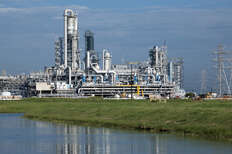
On 2026-03-31 BASF launched Butyl acrylate RE and 2‑Ethylhexyl acrylate RE, manufactured at its Freeport, Texas site; the “RE” suffix denotes attribution of renewable electricity and a reduced manufacturing CO2 footprint versus conventionally produced acrylic esters.
Renewable electricity attribution and certification
Renewable electricity from Texas wind and solar was attributed to replace 100% of the Freeport site's prior‑year electricity consumption for these products under BASF’s SCOTT product carbon footprint (PCF) methodology; TÜV Rheinland certified the SCOTT methodology as scientifically based and aligned with ISO 14067:2018 and the Together for Sustainability PCF Guideline v3.0 (ID‑Nr. 0000080389).
Properties and applications
Both acrylates are stated to be equivalent to conventionally produced counterparts in quality and performance and are offered as drop‑in monomers for polymer dispersions, with coatings and adhesives identified as primary target applications.
Commercialization and emissions context
Avery Dennison commercialized these renewable‑electricity‑enabled acrylates within the adhesives and sealants value chain as part of its effort to reduce Scope 3 GHG emissions by 30%; BASF and Avery Dennison report parallel commitments to reduce emissions across operations and supply chains, including investments in renewable energy, electrified production technologies and circular feedstock pathways.
Source: BASF