
BASF upgrades Ludwigshafen acid chloride and chloroformate plant
- BASF invested a low three‑digit million‑euro sum to fully modernize the Ludwigshafen ACCF (acid chlorides and chloroformates) plant.
- The modernization increases production capacity at the Ludwigshafen site by approximately 30%.
- Since 2025, the Ludwigshafen portfolio of around 25 ACCF products is produced using renewable electricity credits, reducing product carbon footprint by an average of 19% (Scope 1, 2 and 3.1).
- BASF produces these intermediates in Ludwigshafen (Germany) and Yeosu (South Korea); the upgrade aims to improve long‑term global supply reliability.
Investment and capacity
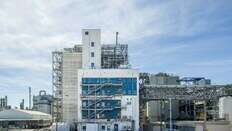
BASF completed a full modernization of its Ludwigshafen plant for acid chlorides and chloroformates (ACCF). The project, funded with a low three‑digit million‑euro investment, renews the production infrastructure and increases capacity at the site by approximately 30%. BASF positions the asset as a milestone for its Intermediates division.
Renewable electricity and carbon footprint
From 2025 BASF has produced its Ludwigshafen portfolio of around 25 ACCF products using renewable electricity credits, including upstream raw material processes. That transition reduced the portfolio’s product carbon footprint by an average of 19%, calculated across Scope 1, 2 and 3.1 emissions and based on 2025 production volumes; the expected 2026 reduction assumes the same volumes.
Products and supply reliability
The ACCF portfolio serves as building blocks across pharmaceuticals, crop protection, organic peroxides, coatings, plastics and rubber mixtures. BASF says the expanded capacity will help meet growing global demand and strengthen reliable supply and consistent quality for customers worldwide.
PCF methodology and certification
BASF states its product carbon footprint (PCF) calculations follow ISO 14067:2018. TÜV Rheinland has certified that the PCF methodology (SCOTT) used by BASF SE is scientifically based and aligned with the Together for Sustainability Product Carbon Footprint Guideline (version 3.0, December 2024).
Source: BASF