
Hydrogen Pipeline Key to Energy Transition at Port of Rotterdam
- Uniper plans a 500-megawatt electrolyser, starting with 200 megawatts, with a €297 million grant, aiming for a 2030 commissioning.
- Shell's 200-megawatt electrolyser at Maasvlakte will supply green hydrogen to its Pernis refinery.
- The hydrogen pipeline capacity is 1.2 million tonnes annually, exceeding current demand of 500,000 tonnes.
- European regulations require 42% of hydrogen used by industry to be sustainable by 2030.
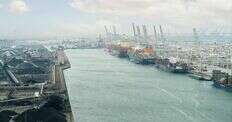
Hydrogen Pipeline Development
The hydrogen pipeline in the Port of Rotterdam is nearing completion, marking the first segment of a European hydrogen network. This infrastructure is crucial for the hydrogen economy, facilitating the transition to sustainable industry.
Key Projects and Investments
Uniper is advancing plans for a 500-megawatt electrolyser, starting with a 200-megawatt phase, supported by a €297 million grant. The project is set for commissioning in 2030. Shell is also constructing a 200-megawatt electrolyser at Maasvlakte, which will supply green hydrogen to its Pernis refinery, reducing CO2 emissions.
Pipeline Capacity and Demand
The hydrogen pipeline, built by Gasunie subsidiary Hynetwork, has a capacity of 1.2 million tonnes per year, exceeding the current demand of 500,000 tonnes. This design anticipates future growth and connects producers and consumers in the Rotterdam port area.
Regulatory and Market Challenges
European regulations, such as the Renewable Energy Directive (RED-3), require 42% of hydrogen used by industry to be sustainable by 2030. The Netherlands is working on national regulations to support this goal. Uniper emphasizes the need for clear and stable rules to secure long-term contracts and market development.
Future Outlook
The pipeline is part of a broader strategy to position Rotterdam as a European energy hub. Cooperation with other ports and industrial regions is essential for efficient infrastructure rollout. The first hydrogen from Shell is expected to flow through the pipeline in 2026, marking the beginning of a larger network expansion.
Source: Gasunie