
Vulcan Energy Secures €250M EIB Funding for German Lithium Project
- EIB provides €250 million for Vulcan Energy's lithium project in Germany's Upper Rhine Valley.
- The project aims to produce 24,000 tonnes of lithium hydroxide annually by 2028.
- Vulcan's technology extracts lithium from geothermal brine, reducing carbon emissions.
- Commercial construction is expected to last around two and a half years.
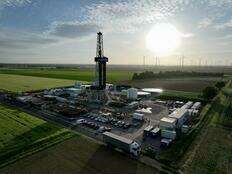
Project Overview
The European Investment Bank (EIB) has committed €250 million to Vulcan Energy's Phase One Lionheart Project in Germany's Upper Rhine Valley. This €2 billion initiative aims to establish an integrated lithium supply chain using geothermal brines, reducing Europe's dependency on imported raw materials and aiding in the decarbonization of transport and industry.
Innovative Extraction Process
Vulcan Energy's process extracts lithium from naturally heated brine, simultaneously generating renewable heat and power. This method minimizes carbon emissions and surface impact compared to traditional lithium extraction techniques.
Production and Timeline
The Lionheart Project, located in Landau and Frankfurt-Höchst, Germany, is set to produce 24,000 tonnes of lithium hydroxide monohydrate annually, sufficient for 500,000 electric vehicles. Commercial construction is expected to last approximately two and a half years, with production targeted to begin in 2028.
Strategic Importance
The project is anticipated to meet about 12% of Europe's projected lithium hydroxide demand by 2030, significantly reducing reliance on imports and aligning with the EU's Critical Raw Materials Act. Vulcan's technology, proven at the optimization-plant scale, positions Europe as a leader in sustainable lithium production.
Financial and Collaborative Support
In addition to EIB funding, the project receives backing from commercial banks and export credit agencies, including ABN AMRO, BNP Paribas, and others. The German government has also provided grants totaling €204 million, with additional equity from Siemens, Hochtief, and Demeter’s Climate Infrastructure Fund, highlighting the project's strategic importance for Europe's climate and industrial policy.
Source: EIB