
Ducor Petrochemicals and Blue Circle Olefins partner to supply segregated bio‑ and carbon‑recycled polypropylene
- The agreement covers production and co‑marketing of segregated bio‑polypropylene and carbon‑recycled polypropylene.
- Blue Circle is developing a 200 kton/year methanol‑to‑olefins (MTO) plant in Rotterdam to produce biobased and recycled ethylene and propylene by 2030.
- Partners aim to enable a transition to 100% circular polypropylene by 2030.
- Upcycling waste to produce green methanol is expected to cut full life‑cycle GHG emissions by more than 80% versus oil‑based polyolefins.
Partnership scope
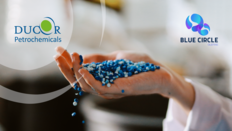
Ducor Petrochemicals and Blue Circle Olefins signed an agreement to produce and co‑market segregated bio‑polypropylene and carbon‑recycled polypropylene. The collaboration combines Blue Circle’s MTO project with Ducor’s flexible, customer‑focused production to offer tailored polypropylene grades.
Products and target markets
The partners intend to serve demanding segments including healthcare, life‑science, automotive parts, electrical appliances, packaging, engineering products and household items, offering recycled or 100% bio‑based propylene feedstocks and small‑volume custom grades.
Blue Circle MTO project and timeline
Blue Circle is developing a 200 kton/year methanol‑to‑olefins (MTO) facility in Rotterdam. By 2030 the plant is planned to convert green methanol—sourced from mixed plastic waste or agricultural and forestry residues—into carbon‑recycled and biobased ethylene and propylene for the European chemical industry.
Climate impact and ambition
The partners position the route as a means to supply fossil‑free feedstocks and to reduce full life‑cycle greenhouse‑gas emissions by more than 80% compared with oil‑based polyolefins, with the stated aim of enabling 100% circular polypropylene by 2030.
Source: Ducor