
Blue Circle Olefins to Build Circular Olefins Plant in Rotterdam
Key highlights
  • The plant will have a 200-kilotonne capacity.
  • It will convert renewable methanol into ethylene and propylene.
  • The facility aims to reduce greenhouse gas emissions by over 80%.
  • The plant is expected to be operational by 2030.

Project Overview

Blue Circle Olefins is set to develop a Methanol-to-Olefins (MTO) production plant in Rotterdam. The facility will have a capacity of 200 kilotonnes and will convert renewable methanol into circular ethylene and propylene.

Environmental Impact

Once operational in 2030, the plant aims to reduce life-cycle greenhouse gas emissions from plastics by more than 80% compared to current fossil-based production methods.

Strategic Location

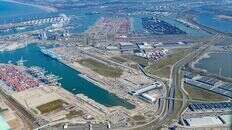
Rotterdam, as Europe's largest methanol hub, offers an ideal location for the plant, aligning with the Port of Rotterdam's strategy to become a climate-neutral and circular port.

Industry Implications

The project supports the chemical industry's shift towards sustainability by providing a commercially viable route for producing fossil-free plastics and chemicals, reducing dependence on oil and gas imports in Europe.

Source: Port of Rotterdam

chemXplore Weekly

The week’s project milestones and project news from the chemical industry, free every Wednesday.

Free. One email a week. Unsubscribe any time.

Related articles

13 February 2026
Blue Circle Olefins and Chane Partner for Rotterdam Facility

They signed a co-siting agreement for a 200 kton olefins facility in Rotterdam, leveraging logistics and storage for renewable methanol feedstocks.

18 November 2025
Ducor Petrochemicals and Blue Circle Olefins partner to supply segregated bio‑ and carbon‑recycled polypropylene

Companies will produce and co-market segregated bio‑based and carbon‑recycled polypropylene for demanding segments, aiming for a fully circular polypropylene supply by 2030.

19 August 2025
Vioneo Partners with Lummus for Fossil-Free Polypropylene Plant

A new plant in Antwerp will produce fossil-free polypropylene using green methanol, renewable electricity, and hydrogen, reducing CO2 emissions and supporting sustainable plastics.