
Future North Sea Energy System by European Network Operators
- Europe's energy system is 70-80% reliant on fossil fuels, needing renewable electricity and hydrogen for transition.
- Hydrogen offers flexibility for energy storage and use where electrification isn't feasible.
- Offshore wind farms with hydrogen production can efficiently use surplus electricity and enhance system flexibility.
- Clear policy and regulatory frameworks are needed for coordinated planning of electricity and hydrogen networks.
Energy Transition Challenges
Europe faces a trilemma of decarbonization, affordability, and supply security while needing to meet climate targets and maintain industrial competitiveness. The current energy system relies heavily on fossil fuels, which account for 70-80% of consumption, necessitating a shift to renewable electricity and sustainable molecules like hydrogen.
Role of Hydrogen
Hydrogen is crucial for the energy transition, offering flexibility for storage and use where direct electrification is not feasible, such as in heavy industry and high-temperature processes. A combination of electricity and sustainable molecules will be essential by 2050.
Offshore Wind and Hydrogen Integration
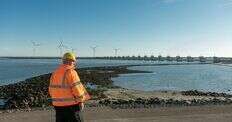
The North Sea, with its strategic location and wind potential, is ideal for integrating offshore wind farms with hydrogen production. This integration allows surplus electricity to be converted into hydrogen, enhancing system flexibility and efficiency. Wind farms can combine turbines and electrolysers upstream of the grid, transporting energy as electricity or hydrogen.
Policy and Infrastructure Needs
Developing these integrated systems requires clear policy and regulatory frameworks, coordinated planning of electricity and hydrogen networks, and timely infrastructure development. Tenders for offshore wind areas must ensure access to both electricity and hydrogen infrastructure, allowing for combined production. Demonstration projects are vital for gaining experience and reducing risks.
Source: Gasunie