
Nobian and Adven receive permits for electric caustic soda installation
- The installation at Nobian’s chlorine plant in Delfzijl is expected to start operating in 2028.
- Mechanical Vapor Recompression will capture and reuse vapor as a heat source for caustic soda concentration.
- The project is expected to avoid up to 25,000 tonnes of CO₂ emissions per year.
- Adven will develop, finance, build and operate the installation before ownership transfers to Nobian.
Permits and project timeline
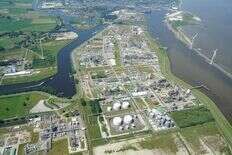
The Province of Groningen has approved the final environmental permits for an electric caustic soda evaporation installation at Nobian’s chlorine plant in Delfzijl. The project is expected to start operating in 2028 and is part of Nobian’s agreement with the Dutch government.
Energy and emissions savings
The installation is expected to reduce energy use for caustic soda production by approximately 85%, reduce reliance on natural gas for steam production and avoid up to 25,000 tonnes of CO₂ emissions annually. It is Nobian’s first use of this technology for caustic soda evaporation and supports its ambition to reach near-zero CO₂ emissions by 2030, ahead of its existing 2040 target.
Technology and delivery
Mechanical Vapor Recompression (MVR) will capture and compress vapor from caustic soda evaporation, then reuse it as a heat source to concentrate the caustic soda. The project is described as Europe’s first MVR application for caustic soda concentration at this scale. The corrosive nature of caustic soda presents a technical challenge.
Adven will develop, finance, build and operate the installation for Nobian. Ownership will transfer to Nobian in due course.
Source: Nobian