
RWE and Kawasaki begin 34 MW hydrogen-capable gas turbine trials in Lingen
- 34 MW gas turbine, described as Europe’s largest fully hydrogen‑compatible unit.
- Trial operations will test up to 100% hydrogen over several months to collect industrial‑scale operational data.
- Hydrogen for the trials is produced on‑site by GET H2 Nukleus electrolysers using renewable electricity.
- The turbine can operate on natural gas, hydrogen, or any blend (0–100%), enabling adjustable co‑firing based on availability and cost.
Project overview
RWE and Kawasaki commissioned a 34 MW hydrogen‑compatible gas turbine at the Emsland power station in Lingen, described as the largest such unit in Europe. The turbine will generate electricity from hydrogen on an industrial scale as part of a field trial.
Testing programme
Over several months the partners will run trial operations to test electricity generation using up to 100% hydrogen and to evaluate various operating modes and load conditions relevant for flexible power stations in systems with high shares of wind and solar.
Fuel supply and technology
The hydrogen used in the trials is produced by on‑site GET H2 Nukleus electrolysers that split water using renewable electricity. The combustion systems are designed for safe, stable operation across blends of natural gas and hydrogen, from 0 to 100% hydrogen.
Stakeholders and aims
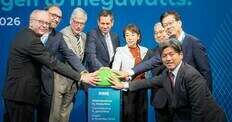
The commissioning event was attended by regional and Japanese representatives and delegates from Kawasaki, NEDO, and RWE. The operational experience gathered is intended to inform scaling and deployment of hydrogen‑compatible flexible power stations to support security of supply when renewable generation is insufficient.
Source: RWE