
Covestro, Fertiglobe and MB Energy explore ammonia supply chain via proposed Hamburg terminal
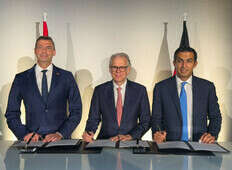
- Three-way MoU to explore collaboration across the ammonia value chain in Germany and Europe, signed during the UAE president’s visit to Germany.
- MB Energy proposes an import terminal at Blumensand in Hamburg; Fertiglobe would explore supplying ammonia and potential equity investment in the terminal.
- Covestro will evaluate offtake of ammonia delivered through the terminal for feedstock use and to meet hydrogen supply requirements.
- Parties will jointly assess commercial, technical and logistical needs, including terminal capacity, delivery arrangements, pipelines, barges, rail and carbon intensity alignment with CBAM and low‑carbon/renewable frameworks.
Parties and purpose
Covestro, Fertiglobe and MB Energy signed a Memorandum of Understanding to explore cooperation across the ammonia value chain serving Germany and wider Europe. The agreement was signed during the visit to Germany of His Highness Sheikh Mohamed bin Zayed Al Nahyan, President of the United Arab Emirates. Fertiglobe is described as the world’s largest seaborne exporter of urea and ammonia.
Hamburg terminal and supply
MB Energy has proposed to build and operate an import terminal at Blumensand in Hamburg. Under the MoU, Fertiglobe will explore supplying ammonia through that terminal and may consider an equity investment in the facility. Covestro will evaluate potential offtake of ammonia delivered via the terminal for use as chemical feedstock and to meet hydrogen supply requirements.
Assessment scope and low‑carbon considerations
The parties will jointly assess commercial, technical and logistical requirements including terminal capacity, volumes, delivery arrangements and onward transport by pipeline, barge and rail. The collaboration will consider conventional, lower‑carbon and renewable ammonia and evaluate carbon intensity and alignment with regulatory and certification frameworks such as the EU Carbon Border Adjustment Mechanism and relevant low‑carbon/renewable hydrogen rules.
Source: Covestro