
CNPC Tarim Phase II 1.2 Mt/yr green low‑carbon ethylene project enters commercial operation
- Project entered full commercial operation on October 15 after startup on July 16.
- Phase II capacity is 1.2 million t/yr, establishing a 3 million t/yr ethylene cluster in Xinjiang.
- Since startup the unit produced >260,000 t ethylene and supplied 566,000 t of chemical products with a 100% qualification rate.
- The project has captured and utilized >100,000 t CO2 and produced >120,000 t of green urea using flue‑gas CO2 recycling.
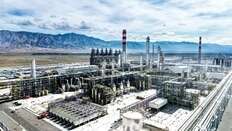
Commercial operation and output
The Tarim 1.2 million‑metric‑ton‑per‑year Phase II ethylene project entered full commercial operation on October 15 after successful startup on July 16. Since commissioning it has produced more than 260,000 metric tons of ethylene and supplied 566,000 metric tons of high‑quality chemical products with a 100% qualification rate; polypropylene and MTBE products have been exported to Central Asian markets.
Decarbonisation and circular technologies
The facility implements a full‑chain closed‑loop low‑carbon technology system that integrates green electricity direct connection, carbon capture, blue hydrogen, blue ammonia and green fertilizers. It features China’s first ethylene three‑machine electric drive unit using proprietary technology and the world’s first demonstration base that recycles CO2 from ethylene cracking furnace flue gas to produce urea. To date the project has captured and utilized more than 100,000 metric tons of CO2 and produced over 120,000 metric tons of green urea.
Localization and industry impact
Ten of the project’s 11 major production units adopt domestically developed technologies, nine of them using CNPC proprietary technology, giving an overall localization rate of 99%. The Phase II start raises CNPC’s ethylene cluster in Xinjiang to long‑term stable operation at about 3 million t/yr and increases CNPC’s total ethylene capacity to more than 12 million t/yr, helping address uneven regional distribution and strengthen industrial‑chain resilience.
Source: PetroChina