
BASF opens world-scale Verbund site in Zhanjiang, China
- €8.7bn investment; announced 2018, ground‑breaking 2019; engineering plastics started 2022, TPU 2024, Verbund value chains and steam cracker ramped in 2025/2026.
- World‑scale Verbund with a 1.0 Mt/yr ethylene steam cracker (flex‑feed: naphtha, butane), 18 plants, 32 lines and over 70 products of basic, intermediate and specialty chemicals.
- Operations run on 100% renewable electricity via long‑term PPAs and offshore wind; cracker uses e‑drive main compressors; site integration and process innovations cut CO₂ by up to 50% versus conventional petrochemical sites.
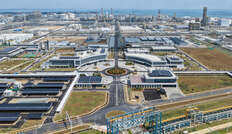
Site overview
Officially inaugurated on March 26, 2026, the Zhanjiang Verbund site in Guangdong covers ~4 km², employs over 2,000 people and produces basic chemicals, intermediates and specialty chemicals for transportation, consumer goods, electronics, home care and personal care; most products will serve customers in China.
Investment and timeline
The project required about €8.7bn, was announced in 2018 with the foundation laid in 2019, brought engineering plastics online in 2022 and TPU in 2024, and ramped initial Verbund value chains and the steam cracker in 2025/2026; the project was completed on schedule and below the original budget.
Production and capacity
The site comprises 18 plants, 32 production lines and more than 70 products across multiple segments; it features a world‑scale, flex‑feed steam cracker with 1.0 Mt/yr ethylene capacity capable of processing naphtha and butane; Zhanjiang is BASF’s seventh Verbund site and the third largest globally and will be operated solely by BASF.
Sustainability and energy
Electricity for the site is supplied via long‑term PPAs and investments in an offshore wind farm to deliver 100% renewable power; combined Verbund integration, process measures and renewable energy are expected to lower CO₂ emissions by up to 50% versus a conventional petrochemical site, and the cracker uses e‑drive main compressors to support lower‑carbon product output.
Source: BASF