
Agropodnik Domažlice: safety, logistics and HVO
- Trades about 121 million litres of fuel annually.
- Warehouse capacity is approximately one million litres and is replenished daily by multiple tankers.
- Operates 17 petrol stations, including staffed public stations and unattended farm sites.
- Preparing an HVO100 dispenser in Domažlice; HVO offers up to 90% lower CO2 emissions and higher cetane number.
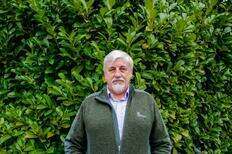
Company profile and structure
Originally founded as a district agricultural service organisation, Agropodnik Domažlice refocused after 2012 following entry into AGROFERT and divestments that moved agricultural services to Primagra and logistics to Logistics Solution. Today the company concentrates on fuel trade, logistics and petrol station operations.
Operations and scale
The company operates 17 petrol stations and a warehouse with about one million litres capacity. Agropodnik trades roughly 121 million litres of fuel per year, buying directly from producers and refineries under annual contracts with monthly offtake terms that require strict planning to avoid penalties or shortages.
Safety, transport and quality
Safety is central: all transport follows ADR rules, tankers are specially marked and earthed during loading, drivers use flame‑resistant and antistatic clothing, and vehicles carry emergency kits. About one third of transport uses company tankers (six road tankers); the rest is contracted. Dispatchers plan routes and compartment loading to maintain safety and efficiency. Fuel quality is maintained through calibrated dispensers, sampling, cleaning, pressure tests and defectoscopy.
Digitalisation and low‑carbon fuel
Recent digital advances include automatic invoice processing for 20–30k invoices annually and new systems for contract and station management to improve transparency and efficiency. Agropodnik is adding HVO (hydrotreated vegetable oil) to its offer; HVO100 is chemically comparable to diesel, has a higher cetane number, no biodegradation issues, and can cut CO2 emissions by up to 90%, though it currently carries a price premium.
People and continuity
The company has about 50 employees, with many long‑serving staff (some 40+ years), which management cites as a core strength supporting operational reliability and market resilience.
Source: AGROFERT