
UPM opens Leuna biorefinery for wood-based renewable chemicals
- Annual capacity 220,000 tonnes — the largest facility of its kind in the world.
- Total investment of €1,370 million.
- Feedstock is beechwood thinnings and sawmill residues sourced within about 200 kilometres.
- Enzymatic hydrolysis and lignin-derived specialty chemical production have reached stable operation and sales are being ramped up.
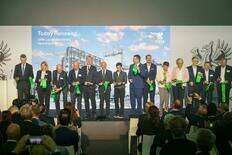
Project overview
UPM inaugurated its biorefinery in Leuna, Germany, establishing an industrial platform to produce renewable chemicals from lignocellulosic biomass. The facility has an annual capacity of 220,000 tonnes and is described as the world’s largest plant of its kind.
Feedstock and process
The plant uses beechwood from thinnings and sawmill residues sourced within about 200 kilometres and unsuitable for higher-value uses. Using enzymatic hydrolysis, it breaks the biomass into industrial sugars and lignin as renewable raw materials to replace fossil-based inputs in chemicals production.
Operations and markets
Ramp-up has progressed: enzymatic hydrolysis and the production of lignin-derived specialty chemicals have reached stable operation and UPM is ramping up sales. The resulting biochemicals are intended for everyday products including clothing, packaging, cosmetics, construction materials and tyres, offering renewable alternatives to fossil-based materials.
Strategic significance
UPM positions Leuna as a milestone for Europe’s bioeconomy, showing renewable carbon-based solutions can scale to commercial manufacture, reduce dependence on imported fossil value chains and strengthen supply security. Management states the plant, alongside renewable fuels, forms a platform for profitable growth and new market opportunities.
Source: UPM