
Neste and World Fuel Services Expand SAF Availability at 100+ European Airports
- Neste's renewable fuels refinery in Rotterdam can produce up to 500,000 tons of SAF annually.
- Neste plans to increase its global SAF production from 1.5 to 2.2 million tons by 2027.
- SAF can reduce GHG emissions by up to 80% compared to conventional jet fuel.
- SAF is made from renewable waste materials like used cooking oil and animal fat waste.
Agreement Expansion
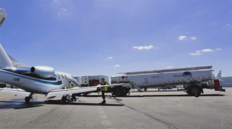
Neste and World Fuel Services have extended their partnership with a five-year agreement to increase the availability of sustainable aviation fuel (SAF) at over 100 airports in the UK and Europe. This collaboration supports compliance with regulations like the ReFuelEU Aviation Regulation and the UK SAF mandate.
Production and Supply
Neste's renewable fuels refinery in Rotterdam is capable of producing up to 500,000 tons of SAF annually. The agreement leverages World Fuel's distribution network and Neste's production capabilities to ensure a reliable SAF supply for commercial, business, and general aviation customers.
Environmental Impact
Sustainable aviation fuel is a renewable alternative to conventional jet fuel, offering up to 80% reduction in greenhouse gas emissions over its life cycle. Neste's SAF is made from 100% renewable waste and residue raw materials, such as used cooking oil and animal fat waste.
Future Plans
Neste aims to scale its global SAF production from 1.5 million tons to 2.2 million tons per annum by 2027. This expansion will enhance the availability and flexibility of SAF supply for airlines across Europe.
Source: Neste