
Statkraft applies to build new Høyanger K5 and Breidal hydropower plants
- Statkraft has applied to the Norwegian Water Resources and Energy Directorate (NVE) for a licence to replace Høyanger K5A and K5B with a new Høyanger K5 and a Breidal plant.
- The investment framework for the development is just under NOK 3 billion and is part of Statkraft’s broader NOK 80 billion Norway plan.
- Installed capacity would rise from about 109 MW to around 257 MW, and estimated annual production from ~700 GWh to ~780 GWh (≈10% increase).
- Construction, if approved and profitable, is estimated at four to five years and will not require new reservoirs or additional water resources.
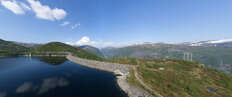
Project overview
Statkraft has applied to the Norwegian Water Resources and Energy Directorate (NVE) for a licence to replace the existing Høyanger K5A and K5B plants with a new Høyanger K5 hydropower plant and a Breidal hydropower plant in Høyanger municipality. The project will use the already regulated watercourse and does not involve new reservoirs or changes to existing regulation limits.
Capacity and production
The existing plants have a combined installed capacity of about 109 MW and annual production of approximately 700 GWh. The proposed new plants are planned with a combined installed capacity of around 257 MW and an estimated annual production of approximately 780 GWh, increasing renewable output by about 10% and improving the ability to generate during high-demand periods.
Investment and schedule
The development’s investment framework is just under NOK 3 billion and forms part of Statkraft’s announced NOK 80 billion investment plan for Norway. If granted a licence and the project proves sufficiently profitable, construction is estimated to take four to five years and will generate local and regional procurement effects.
Licensing, impacts and consultation
NVE will process the application and subject it to consultation with the municipality, affected parties and authorities. Statkraft acknowledges construction impacts such as traffic, noise, dust and temporary rig areas and says the licensing process will weigh benefits against disadvantages while allowing local input.
Source: Statkraft