
Statkraft proposes new Mår hydropower plant
- Installed capacity to rise from 180 MW to 520 MW, increasing production by about 13% from ~1,140 GWh to ~1,300 GWh.
- Statkraft budgets NOK 9 billion for the new plant, with a potential additional NOK 5 billion for a later pumped storage phase.
- The licence application includes an option to expand capacity to 1,040 MW and install 1,040 MW of pumping capacity in a future phase.
- Construction will excavate roughly 40 km of new tunnels, relocating the intake to Kalhovd reservoir and the outlet to Tinnsjøen to increase head and fast-response generation.
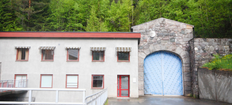
Project scope
Statkraft has applied to NVE for a licence to replace the ageing Mår power plant in Rjukan, Tinn municipality, with a new underground facility sited about 1,000 metres further into the mountain. The project is one of Statkraft’s largest investments in Norway and forms part of its wider hydropower upgrade programme.
Capacity and technical changes
The proposal increases installed capacity nearly threefold—from 180 MW to 520 MW—and raises annual production from around 1,140 GWh to about 1,300 GWh. The intake will be moved to the Kalhovd reservoir and the outlet to Tinnsjøen to increase the height of fall and enable faster electricity output; an option for pumped storage and expansion to 1,040 MW is included for a later phase.
Local impacts and mitigation
Construction will require excavation of roughly 40 km of tunnels and generate large volumes of rock, prompting dialogue with Tinn municipality and Telemark county on reuse. Statkraft notes the project will not expand reservoirs or divert new rivers, but it will affect local nature; proposed mitigation includes two wild reindeer crossings to restore historic migration routes.
Costs and next steps
The investment framework is NOK 9 billion with a possible NOK 5 billion additional for pumped storage. A licence decision by authorities and a later final investment decision—contingent on project profitability—are still required; Statkraft may then choose refurbishment or full replacement.
Source: Statkraft