
RAB Lighting adopts Röhm’s PLEXIGLAS® proTerra 8N for C‑Wall covers
- PLEXIGLAS® proTerra 8N replaces a share of fossil feedstock with ISCC PLUS‑allocated bio‑circular raw materials via mass balancing.
- Life cycle analysis shows a 25% reduction in cradle‑to‑gate greenhouse gas emissions versus conventional PMMA grade 8N.
- Material is chemically identical to PLEXIGLAS® 8N so manufacturers can use it without changing designs or production processes.
- proTerra grades include options with 25–100% bio‑circular feedstock; proTerra M5 can contain up to 30% mechanically recycled PMMA, cutting cradle‑to‑gate footprint by 30%.
Material and CO2e performance
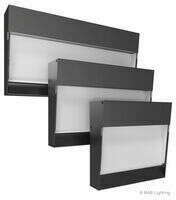
RAB Lighting chose Röhm’s PLEXIGLAS® proTerra 8N for the transparent cover of its C‑Wall luminaire. The PMMA molding compound replaces a portion of fossil feedstock with ISCC PLUS‑allocated bio‑circular raw materials through mass balancing and, according to an LCA, lowers cradle‑to‑gate greenhouse gas emissions by 25% compared with standard PLEXIGLAS® 8N. The proTerra grade is chemically identical to the established optical material and retains congruent product properties.
Design integration and optics
The proTerra 8N grade integrates into existing designs and production processes without modification while maintaining optical clarity. For the C‑Wall, the material’s 92% light transmission, light‑guiding properties, and textured cover combine with an aluminum reflector and top‑mounted LED modules to reduce glare and produce a homogeneous lighting effect, while offering long‑term UV and weather resistance.
Range and circularity options
Röhm offers proTerra molding compounds with varying shares of allocated sustainable feedstocks (25–100%). An alternative, PLEXIGLAS® proTerra M5, contains up to 30% mechanically recycled post‑industrial PMMA and can lower cradle‑to‑gate emissions by about 30%. Röhm positions these grades as low‑emission, resource‑conserving options for lighting and other industries.
Source: Röhm