
Petrobras invests R$800 million in Repar (Araucária) maintenance shutdown
- R$800 million investment for the scheduled maintenance shutdown.
- Shutdown runs from October 5 until the second half of November, with roughly 6,000 workers at peak.
- Main works at the Fluid Catalytic Cracking unit and diesel and gasoline hydrotreating units.
- More than 1,000 pieces of equipment will be inspected, maintained and modernized to raise energy efficiency.
Scope and objectives
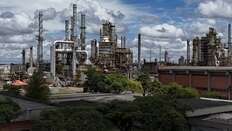
Petrobras has initiated a scheduled maintenance shutdown at the Presidente Getúlio Vargas Refinery (Repar) in Araucária, with an investment of about R$800 million. The work aims to strengthen personnel safety, asset integrity and operational reliability, and to deliver energy-efficiency gains alongside modernization projects.
Schedule and workforce
Activities start on October 5 and are scheduled through the second half of November. The shutdown should mobilize approximately 6,000 workers at the peak of activity, with contracted companies prioritizing local hiring and regional professional qualification initiatives such as the Autonomy and Income program.
Primary works and scope
Main interventions target the Fluid Catalytic Cracking unit and the diesel and gasoline hydrotreating units, plus auxiliary refinery units. In total, more than a thousand pieces of equipment will undergo inspections, maintenance and interventions, including projects to modernize assets and improve energy efficiency.
Logistics and market supply
Market service during the shutdown will be managed through integrated logistical planning. Units that produce LPG and gasoline will be under maintenance, and Petrobras says planning was carried out to ensure demand is met during execution of the works.
Refinery capacity and destinations
Repar has a processing capacity of 33,000 cubic meters of oil per day and produces diesel, gasoline, LPG, aviation kerosene, asphalt, coke, propylene, fuel oil and marine oil. About 85% of production supplies Paraná, Santa Catarina, southern São Paulo and Mato Grosso do Sul; the surplus is sent to other regions or exported.
Source: Petrobras