
Air Liquide Expands Low-Carbon Electricity Sourcing with 3 TWh PPAs by 2025
- In 2025, Air Liquide initiated 3 TWh per year PPAs to secure its decarbonization path.
- The program targets carbon-intensive regions like China, South Africa, and India.
- Since 2020, PPAs have reduced 3.5 million tonnes of CO2 annually, with full ramp-up by 2027.
- Over 40% of Air Liquide's power is sourced from low-carbon sources.
Low-Carbon Electricity Sourcing
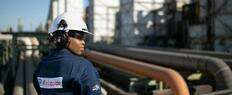
Air Liquide has confirmed the effectiveness of its low-carbon electricity sourcing program, a key component of its Climate Transition Plan. In 2025, the company initiated multi-year Power Purchase Agreements (PPAs) totaling 3 TWh per year, securing its long-term decarbonization trajectory.
Geographic Focus
The program targets regions with carbon-intensive power grids, such as China, South Africa, and India, to maximize emission reductions. In 2025, Air Liquide signed its first PPAs in India, expanding its efforts to a new geography with a high carbon footprint.
Emission Reduction Goals
Since 2020, Air Liquide has signed PPAs that aim to reduce CO2 emissions by 3.5 million tonnes annually, with full ramp-up expected by 2027. This initiative also enables the company to offer gases with a lower carbon footprint, supporting customer decarbonization goals.
Energy Mix Transformation
Air Liquide sources over 40% of its purchased power from low-carbon sources, highlighting its commitment to transforming its energy mix globally. This effort is part of a broader decarbonization roadmap that includes asset management to reduce energy consumption and carbon capture and storage.
Electrification of Facilities
The company is also electrifying its remaining non-electrified Air Separation Units (ASUs). For instance, the electrification of the Shaanxi ASU, combined with low-carbon energy sourcing, is projected to reduce emissions by up to 550,000 tonnes annually.
Source: Air Liquide