
INEOS Secures €300M French Grant to Decarbonise Lavera Site
- The French government supports a €300 million investment to cut Lavera site's CO2 emissions by 331,000 tonnes annually.
- The investment is part of the France 2030 plan, under the AO GPID scheme, focusing on industrial decarbonisation.
- Lavera's upgrades will enable processing of sustainable feedstocks from recycled plastics and bio-sourced materials.
- Combined with a €250 million investment in 2025, total planned investment in Lavera exceeds €550 million.
Investment and Emission Reduction
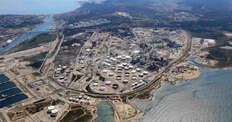
INEOS has announced a €300 million investment, supported by French government grants, to cut carbon dioxide emissions at the Lavera site by 331,000 tonnes annually. This initiative aligns with France's climate goals and aims to position Lavera for future decarbonisation through electrification and carbon capture technologies.
Support from France 2030 Plan
The investment is part of the France 2030 investment plan, under the 'Appel d’Offres Grands Projets Industriels de Décarbonation' (AO GPID) scheme, operated by ADEME. This scheme provides annual grants to support large industrial decarbonisation projects, aiming to reduce France's reliance on fossil-based energy over a 15-year period.
Impact on Jobs and Industry
At a time when chemical plants are closing across Europe due to high energy costs and global competition, this investment will provide stability for around 2,000 direct employees and over 10,000 workers in the wider supply chain. Lavera is crucial to French manufacturing, feeding into essential value chains across various sectors, including pharmaceuticals, healthcare, aerospace, and clean energy.
Future Developments
The upgrades will make Lavera a profitable, lower-carbon facility with a clear pathway to net zero. The investment will also support French circular economy objectives by enabling the Lavera cracker to process more sustainable feedstocks from recycled plastics and bio-sourced materials. Combined with a €250 million investment announced for 2025, the total planned investment in the Lavera site exceeds €550 million.
Source: INEOS