Formosa Smart Energy: CH Algae secures ISCC EU for algae oil, broadens SAF feedstocks
- CH Algae obtained ISCC EU certification for its microalgae‑derived algae oil following a Bureau Veritas audit.
- High‑yield strains and heterotrophic fermentation deliver algae oil with 50–60% oil content.
- A 500‑litre pilot production line completed formulation and process stability evaluations and meets downstream SAF feedstock specifications.
- FSET aims to scale from pilot to demonstration and commercial scale to support Taiwan’s 5% SAF target for international aviation by 2030.
Certification
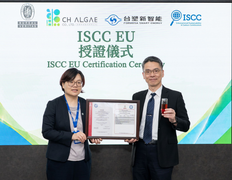
CH Algae Corp., a subsidiary of Formosa Smart Energy Tech Corporation, secured ISCC EU certification for its microalgae‑derived algae oil after an independent audit by Bureau Veritas. The certification covers microalgae cultivation, algae oil production, greenhouse gas calculations and related management mechanisms, enabling alignment with EU sustainability requirements for renewable fuel feedstocks.
Technology and pilot status
The company reports high‑yield oil‑producing microalgae strains and heterotrophic fermentation technology that raise algal oil content to 50–60%. A 500‑litre pilot production line has completed phased evaluations of production formulations and process stability, and the resulting algae oil meets feedstock specifications required for downstream SAF refining.
Scale‑up and commercialisation plans
FSET says it will prioritise process scale‑up, production efficiency improvements and cost optimisation to move from pilot to demonstration and commercial‑scale validation. The organisation intends to leverage group resources and modular industrial design to scale microalgae technology for broader market application.
Strategic context
The algae oil pathway is presented alongside a circular economy route—recovering and refining used cooking oil—to create diversified, parallel feedstock sources. Both pathways are framed as ways to improve supply stability and support Taiwan’s policy target of 5% sustainable aviation fuel usage for international aviation by 2030.
Source: Formosa Chemicals & Fibre Corp