
Braskem surpasses two-thirds of its 2030 operational emissions reduction target
- Braskem has achieved more than two-thirds of its goal to reduce absolute operational GHG emissions by 15% by 2030.
- The Industrial Decarbonization Program's initiatives have reduced more than 1.2 million tons of CO2e per year.
- The Vesta Project replaced steam turbines with high-efficiency electric motors and a cogeneration plant fuelled by hydrogen-rich residual gas, cutting about 100,000 tCO2e/yr, improving energy efficiency by 7.3% and reducing water use by 11%.
- The Marechal Deodoro PVC plant replaced fossil natural gas with eucalyptus biomass and electrified a turbine, lowering emissions by ~150,000 tCO2e/yr and about 30% of the state's GHG emissions versus 2020.
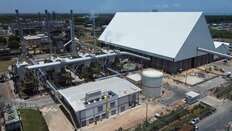
Progress toward 2030 target
Braskem has achieved more than two-thirds of its target to reduce absolute operational GHG emissions by 15% by 2030 through its Industrial Decarbonization Program. The program's initiatives have already cut more than 1.2 million tons of CO2e per year.
Program design
Created in 2021, the program is structured around two complementary pillars: strengthening climate management culture, governance and processes; and implementing initiatives focused on continuous improvement, energy efficiency, electrification and energy matrix transformation. The program also includes internal carbon pricing mechanisms that support investment decisions and project prioritization.
Operational projects
Key projects include the Vesta Project in the ABC region of São Paulo, which replaced steam turbines with high-efficiency electric motors powered by a cogeneration plant fuelled by hydrogen-rich residual gas, reducing approximately 100,000 tons of CO2e per year, improving energy efficiency by 7.3% and cutting the site's water consumption by 11%. In Paulínia the company plans to install a renewable electricity-powered boiler to replace part of fossil steam generation, expected to reduce CO2e emissions by approximately 65% with operations scheduled to begin in 2027. At the Triunfo Petrochemical Complex Braskem has begun using biomethane supplied by Ultragaz and produced from the Minas do Leão landfill to partially replace natural gas. At the Marechal Deodoro PVC plant fossil natural gas was fully replaced with eucalyptus biomass and a turbine of roughly 20% efficiency was replaced with a motor exceeding 90% efficiency, cutting about 150,000 tons of CO2e per year and representing around a 30% reduction in the state's GHG emissions compared with 2020 levels.
Business implications
Braskem frames decarbonization as an operational strategy combining emissions reduction with gains in energy efficiency, energy security and competitiveness, and says the results demonstrate it is possible to advance the energy transition while delivering economic value.
Source: Braskem