
thyssenkrupp Steel to Supply CO₂-Reduced Steel for BMW iX3 Production
- Supply of bluemint® recycled steel to BMW starts in 2026.
- bluemint® recycled is a mass-balanced product with CO₂ savings verified by TÜV Süd.
- The steel is produced by replacing part of the iron ore with processed scrap, reducing coking coal use.
- thyssenkrupp plans to switch to climate-neutral bluemint® steel by 2045.
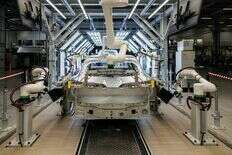
Introduction of bluemint® Recycled Steel
Starting in 2026, thyssenkrupp Steel will supply bluemint® recycled steel to the BMW Group for the series production of the BMW iX3. This steel will be used primarily for outer panels and battery housing, offering identical properties to conventional steel while meeting high quality and safety standards.
CO₂ Reduction and Production Process
bluemint® recycled steel is a mass-balanced product with a high proportion of recycled material, achieving CO₂ savings verified by TÜV Süd. The production process involves replacing part of the iron ore with a specially processed scrap product, reducing the use of coking coal and significantly cutting CO₂ emissions without compromising formability or surface quality.
Applications in Automotive Industry
The automotive industry typically uses primary steel for outer body shells due to its purity and surface quality. bluemint® recycled steel meets these requirements and is suitable for demanding series production. Additionally, it is used in the battery housing of the BMW iX3, benefiting from steel's properties such as high temperature resistance, non-combustibility, and superior electromagnetic shielding.
Future Plans for Carbon Neutrality
thyssenkrupp Steel is on a transformation pathway toward carbon-neutral steel production. The planned operation of a hydrogen-capable direct reduction plant will gradually replace the coal-based steel production process. This plant aims to produce up to 2.5 million metric tons of direct reduced iron annually, enabling a CO₂ reduction of up to 3.5 million metric tons per year, with a goal to fully transition to climate-neutral bluemint® steel by 2045.
Source: thyssenkrupp