
BASF launches Oppanol® N PLUS binder for next‑generation EV batteries
- Oppanol N PLUS is a new polyisobutene (PIB)‑based binder engineered for modern and solid‑state EV batteries.
- It is elastic, extensible and chemically inert, helping to compensate mechanical stress and improve battery lifetime and stability.
- Very narrow and consistent specifications aim to reduce production variability, cut reformulation needs, lower QC effort and speed process adjustments.
- BASF offers fresh material from stock and smaller packaging starting at 20 kg; the product will be shown at The Battery Show Europe, June 9–11, 2026 (Hall 5, Booth A20).
Product and performance
Oppanol N PLUS is a high‑performance binder based on BASF's polyisobutene technology, formulated for modern battery concepts including solid‑state batteries. As a binder in the cathode, anode or electrolyte it provides high elasticity and extensibility to compensate mechanical stress during charge/discharge cycles, and is chemically inert to prevent unwanted side reactions, contributing to battery lifetime, stability and safety.
Process reliability and customer services
The product is produced to very narrow and consistent specifications to reduce variability in production, decrease the need for customer reformulation, lower quality‑control efforts and enable faster, more stable process adjustments. BASF offers particularly fresh material supplied from stock and flexible delivery options with smaller packaging sizes starting at 20 kilograms to support battery manufacturers and OEMs.
Commercial rollout and heritage
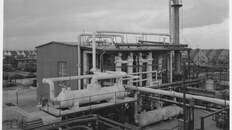
Oppanol N PLUS will be presented at The Battery Show Europe in Stuttgart from June 9–11, 2026 (Hall 5, Booth A20). The launch coincides with a 95‑year Oppanol milestone: initial polymerization of isobutene by Michael Otto in 1931, a BASF patent for PIB that year, the product name derived from the Oppau district, and industrial production beginning in 1938, after which Oppanol found wide use in applications from chewing gum to modern battery technologies.
Source: BASF