
BASF Introduces Biomass Balance Autofroth Foam for North American Market
- BASF's BMB Autofroth systems are REDcert2 certified.
- The Clemson, South Carolina site is newly certified.
- BMB products reduce carbon footprint by 18-20%.
- No reformulation or process changes are needed.
Introduction
BASF has launched biomass balance (BMB) grades of its Autofroth® polyurethane systems for the low pressure polyurethane foam market in North America. These products are designed to meet sustainability needs and are REDcert2 certified.
Environmental Impact
The BMB Autofroth systems offer a potential reduction in product carbon footprint emissions by 18-20% compared to conventional polyurethane foam systems. This makes them a more environmentally friendly option for manufacturers.
Operational Efficiency
These systems provide a drop-in solution, allowing customers to scale up quickly without requiring any reformulation or process changes. The BMB products maintain the same specifications and processing characteristics as their fossil-based counterparts, ensuring a seamless transition.
Applications
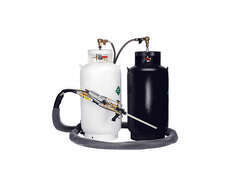
The BMB Autofroth systems are suitable for various applications, including appliance, construction, and marine industries. They are dispensed under low pressure through BASF equipment, offering a cost-effective alternative to conventional high-pressure systems.
Source: BASF