
AGR sodium cyanide plant moves from engineering into construction
- Construction milestone: RO slab pour used 400 m3 of concrete delivered in 63 truckloads, completed in under five hours with over 30 personnel and two concrete pumpers.
- Liquids capacity will rise from 94,000 t/y to 130,000 t/y (over 30%); solids capacity will increase from 46,000 t/y to 60,000 t/y.
- AGR sold 54,000 tonnes of sodium cyanide solution last year and forecasts 73,000 tonnes within the next few years, with further growth toward 2030.
- Process change to an HCN‑aligned production route includes updated process safety management, a new incinerator supported by a $7.5 million federal grant, and measures to cut emissions intensity by nearly 30% while improving water efficiency.
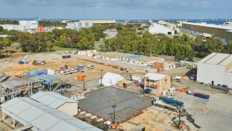
Project milestone
AGR has transitioned the Sodium Cyanide Plant Expansion from engineering into construction and completed a key early civil activity: a reverse osmosis (RO) slab pour using 400 m3 of concrete, 63 truckloads and two concrete pumpers, finished by 8:30am with more than 30 personnel onsite and civil contractor West Coast Civils engaged.
Capacity and market
The expansion debottlenecks and modernises the existing plant to meet rising demand from gold mining. Liquids capacity (SCP1 and SCP2) increases from 94,000 t/y to 130,000 t/y and solids (SCS) from 46,000 t/y to 60,000 t/y. AGR sold 54,000 tonnes of sodium cyanide solution last year and forecasts 73,000 tonnes within the next few years, with further growth expected toward 2030.
Process changes and safety
The project introduces a significant technical change aligning production with ammonia and nitric acid plant configurations and incorporates hydrogen cyanide (HCN), which the design addresses through updated process safety management and plant layout changes to manage the associated risks.
Emissions and water efficiency
Environmental measures include a new incinerator supported by a $7.5 million federal grant and a higher‑capacity thermal oxidiser to keep overall emissions steady as production rises. The design targets nearly a 30% reduction in emissions intensity and improved water efficiency by cleaning and recycling water back into the cooling towers.
Source: wescef.com.au