
Technip Energies, Airbus, Safran and Tereos form Rebound JV to build 160,000 t/y Alcohol‑to‑Jet SAF at Dunkirk
- Planned capacity: ~160,000 tonnes/year of SAF via Alcohol‑to‑Jet at the Port of Dunkirk.
- Partners have committed to fund the development phase, including engineering studies toward a Final Investment Decision.
- Technip Energies was awarded an industrial site at the Port of Dunkirk to support feedstock and product logistics and permitting.
- Refuel EU Aviation targets cited as demand drivers: 6% SAF by 2030 and 70% by 2050; AtJ presented as a scalable pathway using advanced ethanol.
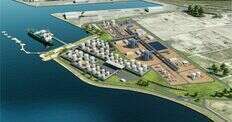
Project overview
Technip Energies, Airbus, Safran and Tereos entered into an agreement to create Rebound, a joint venture to develop a large‑scale Sustainable Aviation Fuel production project at the Port of Dunkirk in northern France. The project will use the Alcohol‑to‑Jet technological pathway to produce approximately 160,000 tonnes of SAF per year.
Technology and feedstock
The facility will convert advanced ethanol—produced from agricultural and forestry residues—into drop‑in aviation fuel that can be blended with conventional jet fuel and used in existing engines and aircraft. Tereos intends to supply and source the advanced ethanol required, leveraging its ethanol production expertise and industrial assets.
Roles, site and financing
Technip Energies will act as lead developer and engineering service provider. Airbus and Safran will participate as industrial partners, offtake facilitators and potential offtakers. The partners have committed to fund the project's development phase, including engineering studies. The Port of Dunkirk has awarded Technip Energies an industrial site to support feedstock and product transport and to streamline permitting.
Next steps and regulatory context
Planned next steps include selecting a technology licensor, permitting, launching pre‑FEED and FEED, finalising feedstock supply and SAF offtake agreements, and securing construction financing. The joint venture creation is subject to customary closing conditions and approvals and is expected to be finalised in the second half of this year. The partners reference EU SAF mandates (6% by 2030 and 70% by 2050) as key demand drivers.
Source: T.EN