- ESD-SIC plans to increase its workforce by nearly 25% due to rising SiC demand.
- The company currently produces around 65,000 tons of SiC annually.
- Since 2018, ESD-SIC has invested in environmental upgrades to eliminate dust emissions.
- The expansion supports the EU Chips Act's goal to double Europe's semiconductor market share by 2030.
Expansion Driven by Demand
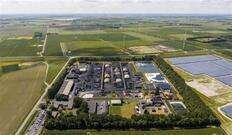
ESD-SIC, located in the Chemical cluster Delfzijl, is expanding its operations due to increased demand for Silicon Carbide (SiC) in high-tech industries. The company plans to boost its workforce by nearly 25% to meet this demand.
SiC's Strategic Importance
Currently producing around 65,000 tons of SiC annually, ESD-SIC has seen the material's role evolve from traditional abrasives to a strategic asset. SiC is now crucial in power electronics for electric vehicles, next-gen 3D chip manufacturing in semiconductors, and high-performance armor in defense applications.
Environmental and Operational Improvements
Since 2018, ESD-SIC has invested significantly in environmental upgrades to eliminate dust emissions, positioning itself as a leader in sustainable SiC production. The company has partnered with HR firm ASBR to recruit 24 new specialists to support its growth.
Alignment with EU Chips Act
The expansion aligns with the European Chips Act's objectives to double Europe's global semiconductor market share to 20% by 2030. By securing high-volume SiC production in Delfzijl, the Netherlands enhances Europe's supply chain resilience and reduces dependency on external suppliers for essential semiconductor materials. This initiative exemplifies the Chips Act's focus on ensuring supply security by attracting investments and boosting production capacities within the EU.