
Repsol opens 200,000 t/year renewable diesel plant in Puertollano
- €130 million conversion at Puertollano to process used cooking oil and agri-food waste, creating a 200,000 t/year renewable diesel unit.
- Renewable diesel use avoids about 700,000 tCO2/year on a lifecycle basis versus conventional fuels and is compatible with existing engines and refueling infrastructure.
- An additional €16 million funds integration of biogas-derived renewable hydrogen to reduce diesel CO2 footprint by up to 98% versus mineral-based fuel.
- Construction logged ~650,000 work hours with ~80 subcontractors and an average daily workforce of 110 (peaks >250); the unit complements a 250,000 t/year Cartagena plant and on-site SAF production.
Project overview
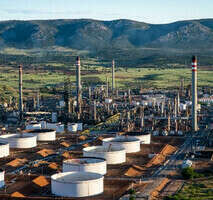
Repsol converted a refinery unit at its Puertollano industrial complex with a €130 million investment to produce 100% renewable diesel from organic waste, reaching a capacity of 200,000 tonnes per year and complementing an existing 250,000 t/year plant in Cartagena.
Feedstocks and products
The unit processes used cooking oil and agri-food industry waste to make renewable diesel usable in existing cars, trucks and ships, and the site also produces sustainable aviation fuel (SAF) from organic waste for airline customers.
Emissions and hydrogen integration
Lifecycle emissions from the renewable diesel are estimated to be about 700,000 tonnes CO2 lower annually versus the fossil fuels replaced; an additional €16 million was invested to integrate renewable hydrogen produced from biogas (replacing natural-gas-derived hydrogen), which can cut the diesel’s CO2 footprint by up to 98% compared with mineral-based fuel.
Industrial and local impact
Construction and commissioning logged more than 650,000 work hours, involved around 80 mainly regional subcontractors, and averaged 110 workers per day with peaks above 250; large-scale reactors and adapted logistics were installed to integrate the unit into the complex’s production system.
Source: Repsol