
POSCO HOLDINGS completes upstream of second Argentina brine lithium plant, enabling 50,000‑ton hydroxide system
- Plant 2 upstream completed with a $954 million investment and 23,000 t/year lithium carbonate capacity.
- Combined commercial carbonate capacity in Argentina (Plants 1 and 2) is now 48,000 t/year (Plant 1: 25,000 t; Plant 2: 23,000 t).
- A downstream plant at Yulchon scheduled for completion in 2027 will convert output to 25,000 t/year battery‑grade lithium hydroxide, completing a 50,000 t/year hydroxide system.
- Plans for Plants 3 and 4 (25,000 t each) target a 100,000 t brine lithium production system by 2033, backed by an MOU with Salta and Catamarca and a $700 million short‑term facility approved by IDB Invest.
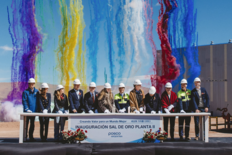
Completion milestone
POSCO HOLDINGS completed the upstream process of its second brine lithium plant near the Hombre Muerto salt lake at roughly 4,000 meters above sea level, marked by a ceremony on October 6 attended by company executives and Argentine officials.
Capacity and timeline
Plant 2 was finished with a $954 million investment and has an annual lithium carbonate capacity of 23,000 tons. Together with Plant 1 (25,000 t/year), POSCO’s Argentina commercial carbonate capacity is 48,000 t/year. Converting Plant 2 output through a downstream facility at the Yulchon Industrial Complex, scheduled for completion in 2027, will produce 25,000 t/year of battery‑grade lithium hydroxide and complete a brine‑based 50,000 t/year hydroxide system.
Financing and approvals
POSCO‑Argentina secured approval under Argentina’s RIGI incentive regime and obtained approval for a $700 million short‑term credit facility from IDB Invest to support funding and operations.
Next steps and strategy
The company plans Plants 3 and 4, each with 25,000 t/year carbonate capacity, to reach a 100,000 t brine lithium production system by 2033. POSCO‑Argentina signed an MOU with the provincial governments of Salta and Catamarca to advance those projects, and the CEO personally inspected Plant 2 and reviewed expansion plans under the group’s “Triple‑Core” resource strategy.
Source: POSCO