
Materra and Alterra demonstrate plastic-to-oil recycling at commercial scale
- Materra sorted polyethylene- and polypropylene-rich waste at its Oregon facility for processing at Alterra’s Akron plant.
- Alterra produced 40,000 pounds of circular oil entirely from post-consumer plastic waste that otherwise would have been discarded.
- Alterra’s facility has operated for nearly 20,000 hours, produced more than 150,000 barrels of oil and reported uptime above 90%.
- The article identifies PET, PVC, paper and food residue as contaminants that can make plastic waste unsuitable for efficient pyrolysis.
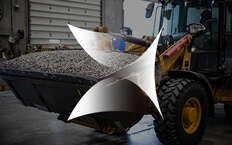
Plastic waste as pyrolysis feedstock
Pyrolysis converts plastic waste into oil that can be refined into feedstocks for new plastics. The process requires suitable material, mainly polyethylene (PE) and polypropylene (PP), while mixed waste containing PET, PVC, paper or food residue can complicate processing.
Materra–Alterra pilot
Materra’s system identified and sorted PE- and PP-rich materials from landfill-bound residue at its Oregon facility. The material was sent to Alterra’s Akron plant, where it was converted into 40,000 pounds of circular oil, entirely derived from the post-consumer plastic waste.
The pilot demonstrated Materra’s sorting platform as an input to pyrolysis in an industrial environment. It also generated data that Alterra can use to adjust its continuous process as feedstock composition changes.
Alterra’s operating record
Alterra’s North American commercial-scale facility has operated for nearly 20,000 hours and produced more than 150,000 barrels of oil from discarded plastics. The article reports uptime above 90% and conversion rates above 70%; the oil is supplied to petrochemical customers in the U.S. and EU.
Source: Alterra