
INEOS Launches Advanced Recycled Plastic Production in France
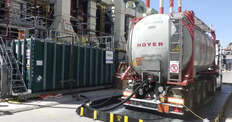
- The Lavera site received its first pyrolysis oil deliveries for recycled polymer production.
- Pyrolysis oil is made from post-consumer plastic waste unsuitable for mechanical recycling.
- The process produces recycled ethylene and propylene for polyethylene and polypropylene.
- Products are certified under ISCC PLUS, ensuring renewable feedstock tracking and claims.
Introduction
The INEOS site in Lavera, France, has begun using pyrolysis oil derived from recycled plastic waste to produce virgin-quality polymers. This initiative supports EU regulatory targets for recycled content in plastic packaging.
Advanced Recycling
Pyrolysis oil, produced in Europe from post-consumer plastic packaging waste, is used in the Lavera cracker to create recycled ethylene and propylene. These are then converted into polyethylene and polypropylene at INEOS plants in Lavera, Sarralbe, and Rosignano.
Regulatory Compliance
The new polymer grades will help meet EU requirements for food contact, medical, and sensitive plastic packaging, which mandate a minimum of 10% recycled content by 2030. The products are certified under the ISCC PLUS scheme, ensuring accurate tracking of renewable feedstocks.
Role in Circular Economy
Advanced recycling technologies are crucial for achieving circularity in consumer products, allowing for the production of materials that can be recycled repeatedly. This reduces reliance on fossil-based raw materials and prevents plastic waste from ending up in landfills or incineration.
Source: INEOS