
Vulcan’s LSC-3a test validates Lionheart reinjection plan
- LSC-3a was drilled in September 2026 and tested in early October.
- The deviated horizontal well reached a measured total length of 3,743 metres.
- Testing achieved a surface injection rate of about 35 litres per second; modelling estimates capacity of 64 litres per second under planned operating conditions.
- LSC-3a is the first well to demonstrate reinjection into a high-permeability rock interval rather than a fault zone.
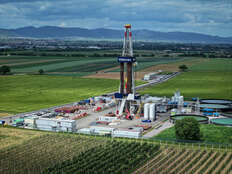
Well test results
Vercana, Vulcan’s in-house drilling company, drilled LSC-3a in September 2026 and successfully tested it in early October. The deviated horizontal well reached a measured total length of 3,743 metres. It is the seventh of 28 planned wells in the Lionheart Project, including existing wells.
Testing achieved a surface injection rate of about 35 litres per second. Test-data analysis and wellbore modelling indicate an estimated capacity of about 64 litres per second under planned operating conditions, above the 40 litres per second assumed in the development plan for reinjection into high-permeability reservoir intervals.
Development implications
LSC-3a is the first well to demonstrate reinjection into a high-permeability rock interval rather than a fault zone. The result validates a key assumption in the Lionheart development plan. The strategy combines reinjection into high-permeability reservoir intervals and fault-controlled zones. Higher-permeability zones may improve reservoir sweep efficiency and enable more of the reservoir to be used for lithium extraction and renewable heat production.
Vulcan will incorporate the test results and additional geological and operational data into planning and execution for the next wells, LSC-4 and LSC-5. Data from wells drilled to date indicate that the high-permeability interval extends across multiple well locations.
Source: Vulcan Energy