
MGC, Kokuka Sangyo & Hanshin Diesel complete Kokuryu Maru and undertake first methanol bunkering
- Kokuryu Maru: 498 GT, 1,223 DWT, built at Koa Sangyo; main engine Hanshin Diesel Works model LA28MRG.
- First methanol bunkering at Kinoe Port on 24 Sept 2026 used biomethanol produced at MGC’s Niigata plant (mass-balance assigned).
- Vessel will be chartered by MGC to transport methanol domestically and serve as a methanol bunkering vessel; it is Kokuka Sangyo’s first dedicated methanol-fueled ship.
- Project selected under the 2024 Project to Promote Decarbonization in the Maritime Sector; methanol fuel expected to reduce CO2 emissions ~17.5% vs heavy fuel oil.
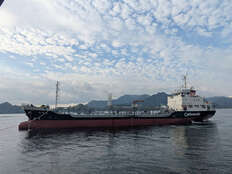
Vessel completion and first bunkering
The chemical tanker Kokuryu Maru (gross tonnage 498; deadweight 1,223) was completed by Koa Sangyo and is fitted with a Hanshin Diesel Works LA28MRG methanol-fueled main engine. The first methanol bunkering was carried out at Kinoe Port on 24 September 2026; the supplied fuel included biomethanol produced at MGC’s Niigata Plant and assigned biomass characteristics via the mass balance method, and this fuel will be used during vessel operation.
Operational role
The Vessel will be chartered by Mitsubishi Gas Chemical (MGC) and is expected to primarily transport methanol on domestic routes while also serving as a methanol bunkering vessel. It is Kokuka Sangyo’s first dedicated methanol-fueled vessel.
Emissions, policy and support
Methanol is highlighted for operational compatibility with existing infrastructure and for reducing SOX, PM and NOX versus conventional fuels. Using methanol fuel is expected to reduce CO2 emissions by approximately 17.5% compared with a vessel fueled by conventional heavy fuel oil. The project was selected under the Ministry of the Environment program in cooperation with the Ministry of Land, Infrastructure, Transport and Tourism: the 2024 Project to Promote Decarbonization in the Maritime Sector.
Technology and circular-fuel intent
MGC is advancing its Carbopath™ platform to produce methanol from CO2, waste plastics and biomass to create materials and energy; Kokuka Sangyo is developing a methanol supply and bunkering system; Hanshin Diesel Works has pursued methanol engine development, enabling early commercialization.
Source: MGC