
Mitsui Chemicals launches InnoCell P‑Type oxygen‑permeable culture plates
- Launched Oct 1, 2026, InnoCell™ P‑Type combines a highly oxygen‑permeable material with proprietary surface treatment for adherent cell culture.
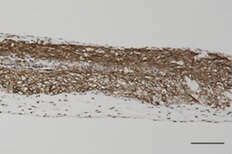
- Kansai Medical University saw more uniform and thicker human iPS cell‑derived cardiac organoids, with a denser troponin T‑positive cardiomyocyte layer, versus polystyrene after a 12‑day culture.
- University of Michigan data showed improved epithelial barrier formation, greater sensitivity and lower variability versus cell culture inserts for intestinal organoid‑derived monolayers.
- Design features include low autofluorescence for high‑content imaging and low drug adsorption to reduce assay compound interference.
Product launch
Mitsui Chemicals launched InnoCell™ P‑Type on October 1, 2026 as a new adherent cell culture plate in its InnoCell series. The product combines the company’s highly oxygen‑permeable material technology with original surface treatment, and is designed with low autofluorescence and low drug adsorption to support observation, imaging and screening.
Rationale
The company cites growing use of 3D cell models and organoids in drug discovery, and notes that oxygen limitation in dense or thick tissues can affect cell function, tissue uniformity and reproducibility. InnoCell™ P‑Type aims to provide an environment closer to in vivo conditions to improve efficacy and toxicity evaluation.
Cardiac organoid validation
Hidetoshi Masumoto, MD, PhD (Kansai Medical University) cultured human iPS cell‑derived cardiac organoids on InnoCell™ P‑Type. Compared with conventional polystyrene plates, tissues showed more uniform overall thickness, increased tissue thickness, and a thicker, denser troponin T‑positive cardiomyocyte layer after a 12‑day cultivation period, suggesting enhanced oxygen supply aids 3D cardiac tissue construction.
Intestinal epithelial validation
Jonny Sexton, PhD (University of Michigan) evaluated intestinal organoid‑derived epithelial monolayers and barrier function. Relative to widely used cell culture inserts, InnoCell™ P‑Type delivered higher sensitivity, lower variability, better epithelial barrier formation and improved response to inflammatory stimulation, and its low autofluorescence supports high‑content imaging and high‑throughput assays.
Company comment
Mitsui Chemicals frames InnoCell™ P‑Type as research infrastructure to improve productivity and predictability in drug discovery research and says it will continue leveraging its core technologies to create new values in the life sciences field.
Source: Mitsui Chemicals