
Hydrogen value chain forming in North Sea Canal Area
- EcoLog plans an Afrikahaven LH2 import terminal of 200,000 tpa initially, scalable to 600,000 tpa, targeting operation by end‑2030 after permit approval.
- Hynetwork (Gasunie) Route 2 will link Amsterdam to Tata Steel IJmuiden and Rotterdam; detailed design is complete, FID expected next year, route due in 2030 and Rotterdam link late 2031–late 2032.
- Port of Amsterdam has reserved space and permits for a H2era electrolyser up to 500 MW (HyCC/Power2X); Evos and North Atlantic are developing LOHC import and dehydrogenation in port.
- Tata Steel signed a letter of intent in September 2025 to decarbonise via a gas-to-hydrogen pathway with blending and CCS; MOUs exist with EcoLog and other suppliers.
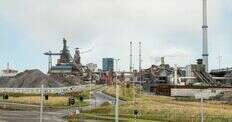
Overview
The North Sea Canal Area (NSCA) is an established industrial region where decarbonising energy supply is driving a nascent hydrogen value chain covering production/import, transport and consumption. Coordination across these links is essential and progress is incremental.
Production and import
EcoLog proposes a liquefied hydrogen terminal at Afrikahaven Oost with 200,000 tpa initial capacity scalable to 600,000 tpa; a permit was submitted late last year and the company aims to be operational by end‑2030. EcoLog is pursuing supply partnerships, notably with Oman (Hydrom and consortia in Duqm). Evos is developing imports using LOHC with production in Canada by North Atlantic and on‑port dehydrogenation. Locally, Port of Amsterdam has reserved space and permits for a H2era electrolyser up to 500 MW (HyCC/Power2X), leveraging nearby North Sea wind power, though deployment depends on Dutch and EU policy.
Transport infrastructure
Hynetwork (Gasunie) is developing Route 2 to connect Amsterdam, Tata Steel in IJmuiden and Rotterdam, repurposing existing gas pipeline sections; detailed design is complete and an FID is expected next year, with the route due by 2030 and the Rotterdam link between late 2031 and late 2032. Port of Amsterdam and Firan are building a regional H2avennet distribution network within the port and into Zaanstad, ahead of the high‑pressure backbone.
Demand and barriers
Tata Steel’s September 2025 letter of intent outlines a transition from natural gas to hydrogen/biomethane blending and CCS, and MOUs with importers aim to secure supply. Other potential customers include food, cement, data centres, aviation, shipping and road transport. Key obstacles are policy uncertainty, the need for stable long‑term demand signals and an existing unprofitable gap for green steel that requires demand stimulation and public procurement to catalyse investment.
Source: Gasunie