
Geography Over Technology: Equinor’s H2M Eemshaven Hydrogen Project Collapsed
- H2M Eemshaven targeted 210,000 tonnes/year of low‑carbon (blue) hydrogen using carbon capture.
- A late‑2024 open season failed to secure binding offtake commitments required for a Final Investment Decision.
- Eemshaven lacked local heavy industrial demand and was disconnected from the European Hydrogen Backbone, forcing prohibitive transport costs.
- Equinor is reallocating focus to Belgium and Germany where industrial clusters and policy support (e.g., Carbon Contracts for Difference) improve project viability.
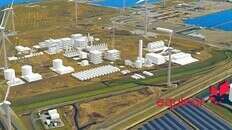
The cancellation of Equinor’s ambitious H2M Eemshaven blue hydrogen project serves as a stark "wake-up call" for Europe’s energy transition. Despite backing from industry giants and state-of-the-art carbon capture technology, the project’s failure reveals a critical truth: infrastructure and proximity to demand are as vital as the technology itself.
Planned to produce 210,000 tonnes of low-carbon hydrogen annually, H2M Eemshaven was intended to be a cornerstone of European decarbonization. However, a new analysis by chemXplore highlights that geographic isolation and a "stranded" location ultimately made the project untenable.
The "Isolation Paradox"
While Eemshaven is a thriving hub for datacenters (Google, Microsoft) and power generation, it lacks the heavy industrial base,such as steel manufacturing and chemical refining, required to consume hydrogen at scale.
Unlike competing hubs in Rotterdam or Antwerp, Eemshaven remains disconnected from the European Hydrogen Backbone. This lack of pipeline infrastructure forced a logistical dead-end:
- High Transportation Costs: Without existing grids, moving hydrogen to industrial centers in Germany or southern Netherlands would require massive, unallocated capital expenditure.
- Offtake Mismatch: Neighbors like datacenters and renewable plants do not use hydrogen, leaving Equinor without local buyers.
- Failed "Open Season": An industry call for offtake agreements in late 2024 failed to secure the binding commitments necessary to reach a Final Investment Decision (FID).
A Strategic Retreat
Equinor’s decision reflects a broader strategic shift. The company is now prioritizing markets like Belgium and Germany, where industrial "clusters" and existing policy support (such as Carbon Contracts for Difference) provide a clearer path to profitability.
"The cancellation wasn’t just about policy or funding, it was a victim of geography," says Cees Verhagen, analyst at chemXplore. "In the hydrogen economy, proximity to demand isn’t optional, it’s existential. You can't build a multi-billion dollar supply chain if the pipe ends in a field of datacenters."
Lessons for the Hydrogen Economy
The collapse of H2M Eemshaven offers three critical lessons for the future of low-carbon energy:
- Infrastructure First: Production facilities must be co-located with demand or pre-connected to national grids (like the Dutch HyNetworks).
- Policy Clarity: Governments must accelerate demand-side incentives to de-risk investments for early adopters.
- Cluster Focus: Future "Blue" and "Green" hydrogen projects should prioritize brownfield sites in established industrial zones over isolated greenfield locations.