
Eastman secures $375M DOE award to expand U.S. methanolysis recycling capacity
- Reinstated DOE award totals $375 million, net of approximately $35 million Eastman previously received for design and engineering.
- Eastman plans to increase output from its Kingsport methanolysis facility by about 30% through debottlenecking and technology improvements.
- The updated scope funds restarting and repurposing underutilized U.S. recycling infrastructure and supports a disciplined, milestone-based path for a potential second U.S. methanolysis plant.
- Eastman expects up to $100 million incremental revenue in 2026 versus 2025 from Kingsport and more than $100 million incremental revenue again in 2027.
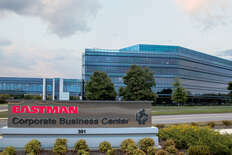
DOE award and purpose
The U.S. Department of Energy reinstated a $375 million award (less about $35 million already provided) to support a reindustrialization plan focused on expanding U.S.-developed methanolysis technology, restoring underutilized recycling assets, and increasing domestic capacity to convert difficult-to-recycle polyester waste into virgin-quality recycled materials.
Scope of investments
Funding will advance debottlenecking and technology upgrades at Eastman’s Kingsport methanolysis facility, restart and repurpose U.S. recycling infrastructure, and establish a milestone-based approach for a potential second U.S. methanolysis facility with flexibility on location and timing. Investments will proceed aligned with customer contracts and relevant policy.
Kingsport performance and outlook
Eastman identified an opportunity to raise Kingsport capacity by roughly 30% with modest capital expenditure. The company projects up to $100 million incremental revenue in 2026 versus 2025 from Kingsport and more than $100 million incremental revenue again in 2027.
Supply-chain implications
The program aims to strengthen domestic collection and processing of hard-to-recycle polyester waste—such as colored and opaque polyesters and pots, tubs and trays—by breaking materials to molecular building blocks and producing virgin-quality, food-contact polyesters with lower greenhouse gas emissions than traditional production methods. Customer commitments are cited as key to translating capacity into resilient recycled-material supply for U.S. manufacturers.
Source: Eastman