
EBN, Eni, Gasunie, OGE, Shell and TotalEnergies sign MoU on Delta Rhine Corridor CO₂ pipeline
- EBN, Eni Netherlands CCUS, Gasunie, Open Grid Europe, Shell and TotalEnergies signed a Memorandum of Understanding to develop an interoperable cross‑border CO₂ pipeline linking NRW clusters to Dutch offshore storage and integrating with Aramis.
- The project constitutes the Delta Rhine Corridor (DRC), a planned underground system to transport CO₂ at scale to depleted gas fields via the Aramis offshore pipeline and to enable future links to Belgium.
- The cross‑border CCS value chain aims to be operational from 2033, with first parts of the pipeline corridor in the Netherlands targeted for 2032; Aramis is aiming for an FID in 2027 and start‑up in 2030.
- Until pipeline transport is available, customers can use ship‑and‑rail CO₂ infrastructure to access Aramis; signatories will coordinate non‑bindingly on advocacy, customer journey transparency and technical alignment.
Participants and purpose
Energie Beheer Nederland (EBN), Eni Netherlands CCUS, Gasunie, Open Grid Europe, Shell and TotalEnergies EP Nederland signed a Memorandum of Understanding to collaborate on an interoperable, cross‑border CO₂ pipeline network. The network will connect industrial clusters in North Rhine‑Westphalia with offshore storage locations in the Dutch North Sea and integrate with the Aramis project.
Delta Rhine Corridor and role
The agreement advances the Delta Rhine Corridor (DRC), a planned underground pipeline system designed to transport CO₂ from western Germany and the Netherlands at scale to depleted gas fields beneath the seabed via the Aramis offshore pipeline. The DRC is intended to provide a major cross‑border route, enable economies of scale for hard‑to‑abate industries and allow a future connection to Belgium via the Delta Schelde CO₂nnection project.
Timelines and interim options
All MoU signatories share the ambition for a pipeline‑based CCS value chain operational from 2033, with first Dutch sections targeted for 2032. Aramis is aiming for a final investment decision in 2027 and an operational start in 2030. Until the pipeline system is complete, customers can use ship‑and‑rail CO₂ infrastructure to enable offshore transport and storage via Aramis.
Next steps and context
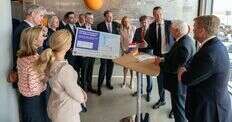
In coming months the parties will coordinate on a non‑binding basis on advocacy, communication, a transparent customer journey and technical alignment of the Delta Rhine Corridor and Aramis. The MoU was presented during a state visit in the presence of King Willem‑Alexander and German Federal President Frank‑Walter Steinmeier.
Source: Gasunie